
Trojena 4.7bn NEOM reservoir project stopped, leaving partial infrastructure challenges

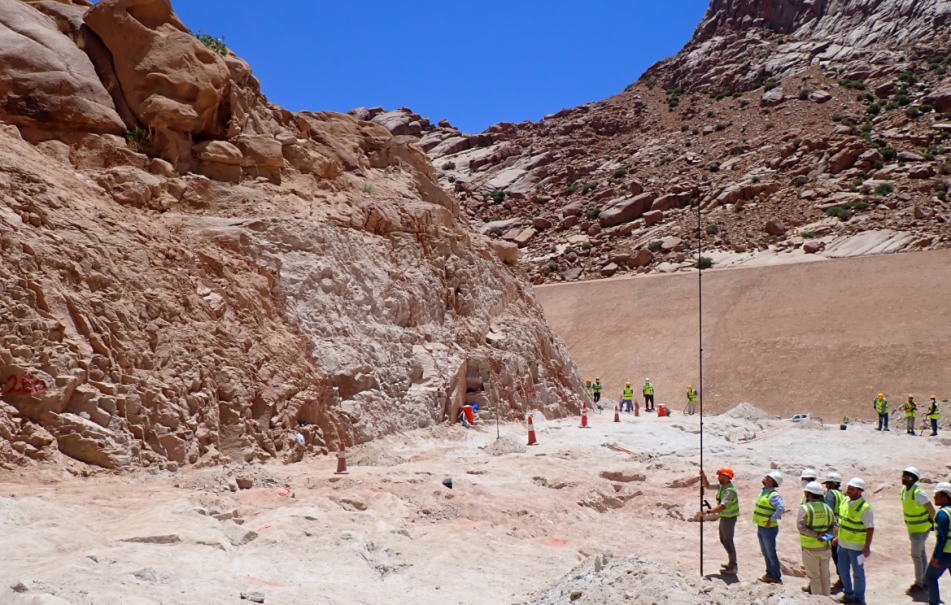
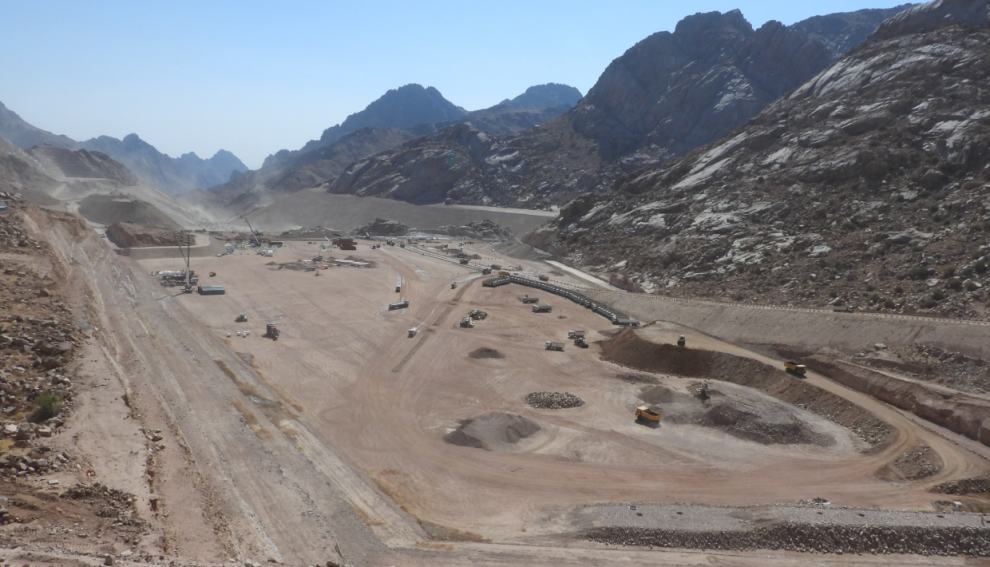
- Assessment of slope stability within excavated areas, where exposed materials may be susceptible to erosion and weathering.
- Monitoring of pore water pressures using instrumentation to identify potential seepage or subsurface instability.
- Installation of inclinometers and deformation monitoring systems to track ground movement.
- Implementation of drainage and erosion control measures to manage runoff and reduce downstream risks.
Sources: pietrangeli.com, geomechanics.io, ecoticias.com, newcivilengineer.com
Want to read more like this story?

$4.7 billion contract awarded for the construction of Neom’s artificial lake
Jan, 17, 2024 | NewsThe contract for the construction of a $4.7 billion artificial lake, part of Saudi Arabia’s Neom pr...

From Aging Infrastructure to Extreme Rainfall: The Growing Importance of Dam Structural Engineering
Oct, 07, 2024 | NewsDams have been integral to human civilization for centuries, playing critical roles in water storag...

Largest Dam Safety Project in USACE History. Tackling the problem of ageing dams.
Jun, 12, 2024 | NewsAt the end of 2023, contractors from ten construction and engineering firms gathered at the Garriso...

The Line at Neom faces feasibility reassessment while construction continues
Nov, 01, 2025 | NewsThe Neom megaproject in Saudi Arabia, which is often described as the world’s largest construction...

The Price of Progress: Why UK Infrastructure Costs Need Reform
Oct, 10, 2024 | NewsThe rising costs of infrastructure projects in the UK have been a significant concern for decades,...

Surviving the Avalanche: Lessons from the Uttarakhand Road Construction Disaster
Mar, 07, 2025 | NewsThe unforgiving Himalayan terrain in Uttarakhand recently posed a severe challenge for construction...

Civil Engineering in the Digital Age: Top Innovations Shaping the Future
Jul, 16, 2024 | NewsThe world of civil engineering is experiencing a significant digital transformation. Innovative tec...

Construction Site Inferno: Fire Hazards in Large-Scale Projects Exposed
Feb, 14, 2025 | NewsA devastating fire at a luxury hotel construction site in Busan, South Korea, has raised critical c...

60-foot crack appears on rural Utah Panguitch Lake Dam
Apr, 08, 2024 | NewsA 60-foot-wide and 2 to 5-foot-tall crack was identified at rural Utah’s Panguitch Lake Dam, on the...
Trending

Taipei 101’s impressive tuned mass damper

Characteristics of Load Bearing Masonry Construction

Understanding the Carola Bridge Collapse: Expert Insights

This powder offers an innovative solution to water purification

Dutch greenhouses have revolutionized modern farming

Formwork failure causes roof slab collapse in Limassol construction site

